Bathroom photo enhancement
Correct difficult bathroom light without smoothing away condition.
Handle a single warm bulb, mirrored walls, and chrome highlights while keeping grout, sealant, and tile condition visible.
Clean and well lit, with the condition still legible.
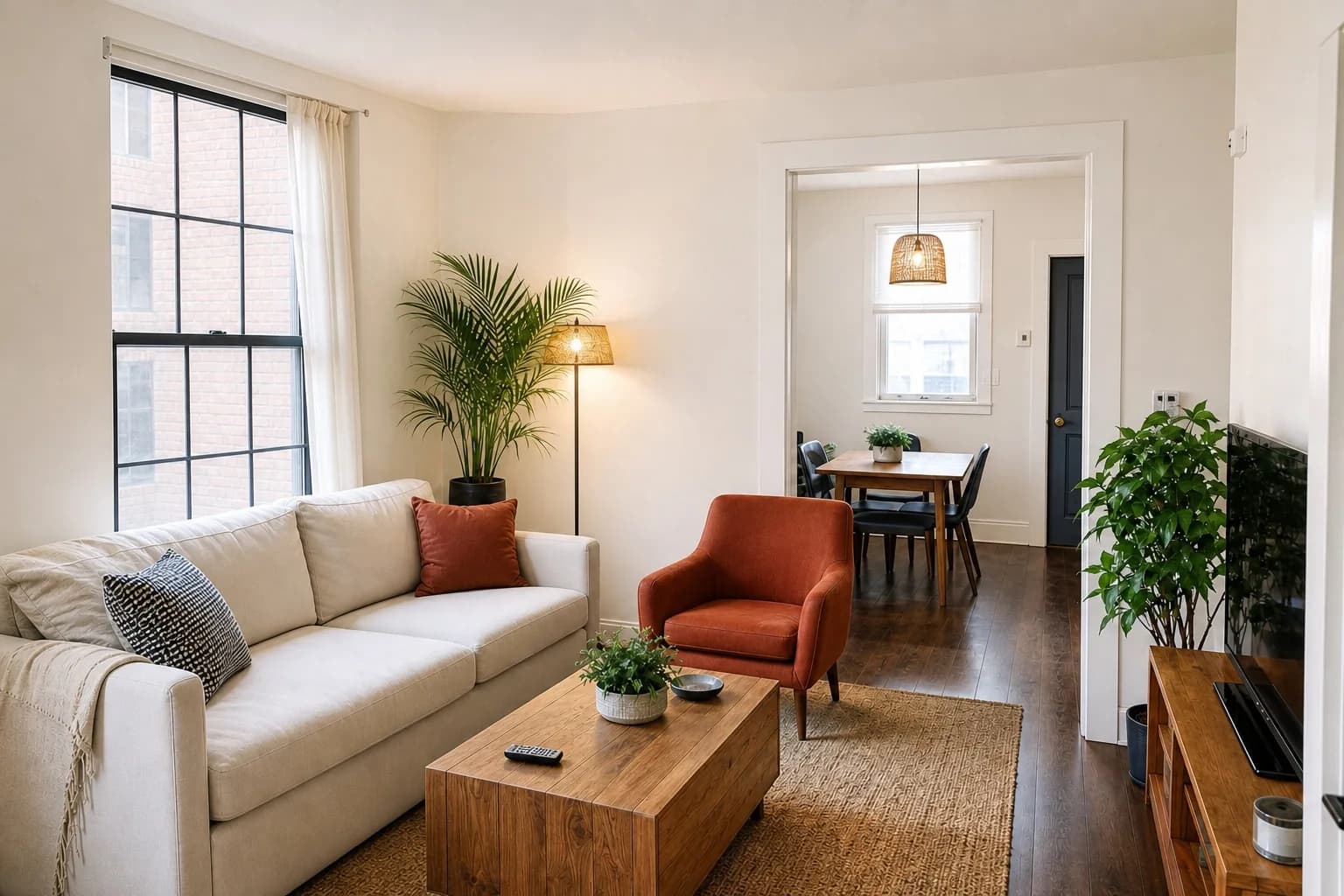
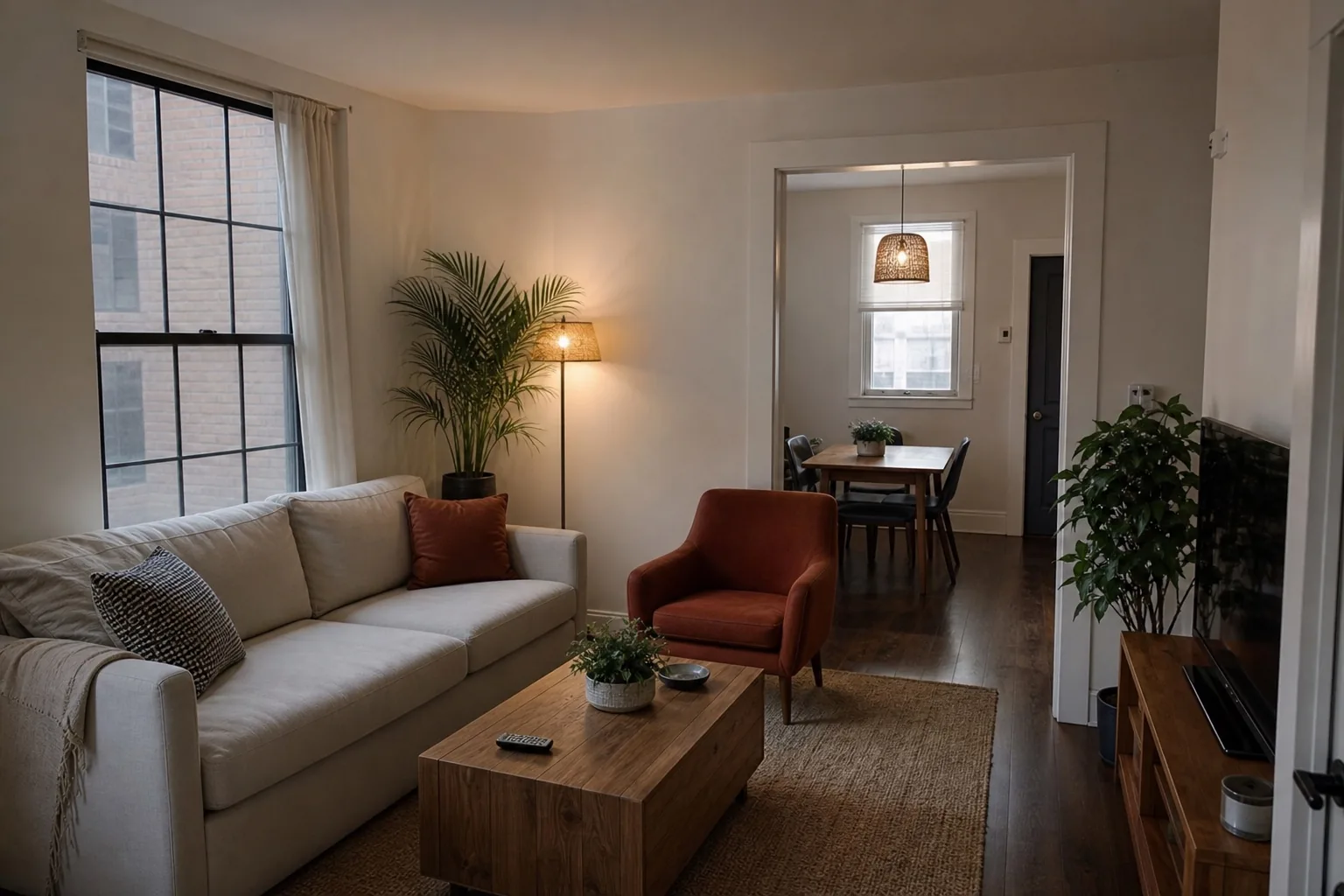
The problem
The hardest room to photograph is also the smallest.
Bathrooms typically have one warm bulb, no natural light, a mirror that reflects the photographer, and chrome that turns every light source into a blown highlight. There is rarely anywhere to stand, so the camera goes wide, and the wide lens bends the shower enclosure and the edge of the bath.
Our method
Neutralise the bulb, protect the highlights, leave the grout alone.
ListPik corrects the single-source colour cast against the tile and sanitaryware, restrains the chrome and mirror highlights, and applies clarity conservatively. Aggressive noise reduction in a bathroom smooths grout lines and sealant into a clean blur, which is a misrepresentation of condition rather than an improvement.
Condition is the point of a bathroom photo
Buyers and guests inspect bathroom photos for evidence of neglect: discoloured grout, perished sealant around the bath, limescale on the shower screen, mould in the corner of the ceiling. A bathroom photo that has been smoothed until none of that is legible does not read as a clean bathroom, it reads as a photograph that is hiding something, and experienced viewers treat it that way.
This puts a hard limit on how much noise reduction and clarity work a bathroom frame can take. The room is dim, so the file is noisy, and the temptation is to smooth it heavily. The better trade is a slightly grainier photograph in which the grout lines are still individually visible.
Mirrors, and where to stand
Most bathrooms have a mirror facing the only place you can stand. Shooting from the doorway at an angle, rather than square on, usually keeps the camera out of the reflection while still showing the basin, the bath or shower, and enough floor to convey the size. Shooting from just outside the doorway with the door open is often better than squeezing inside.
The mirror also doubles the apparent brightness of whatever it reflects, including the ceiling light. If the mirror is throwing a hard highlight into the lens, moving six inches sideways solves a problem that no amount of correction will fully fix afterwards.
- Shoot from the doorway at a slight angle to stay out of the mirror
- Close the toilet lid and remove all personal items and bath mats
- Leave the extractor and ceiling light on; a single source is easier to correct than mixed
- Take a detail frame of the shower or bath if the fittings are a selling point
Where it fits
Use enhancement when the photograph is the problem.
A single warm bulb cast the whole room
There is no daylight and everything has gone orange or green.
Chrome and mirrors blew out
Highlights on taps, screens, and the mirror clipped and the room underexposed around them.
The room is genuinely clean
Nothing needs concealing; the file is just dim and noisy.
A three-part desk
Fast enough for the deadline. Deliberate enough for the listing.
- 01
Upload the original
Use the largest source file and choose an interior or exterior finishing direction.
- 02
Review the evidence
Inspect the result beside the source. The property should remain immediately recognizable.
- 03
Export with context
Download the approved image and follow the disclosure rules that apply to your listing.
Desk specification
What goes in, what comes back, and what to inspect.
Useful limits are part of a reliable workflow. Start from the best available source and approve the finished frame against visible property facts.
Before you publish
- Confirm grout lines and sealant are still individually visible, not smoothed into a blur.
- Check that tile colour matches the original rather than drifting toward neutral white.
- Verify no part of the photographer or camera has been left in the mirror.
- Confirm any visible wear, staining, or damage present in the source is still present.
Specific answers
What to know before processing.
Why do bathroom photos always look yellow?+
One warm bulb and no daylight gives the camera nothing neutral to balance against. Correcting against the white sanitaryware restores the tile colour a viewer would see.
Can editing remove mould or damaged sealant?+
No, and it should not. Visible condition is material information. Enhancement corrects the photograph, not the bathroom.
How do I keep myself out of the mirror?+
Shoot from the doorway at an angle rather than square on, or from just outside the door. Moving a few inches sideways usually solves it entirely.
Start with one frame
Let the comparison make the case.
Packs or optional monthly. One credit per finished photo. Review before you publish.
Open the studio