Lighting correction
Recover bright rooms from dark property photos.
Balance windows, shadows, and mixed indoor light while keeping the room believable.
Natural exposure without the washed-out HDR look.
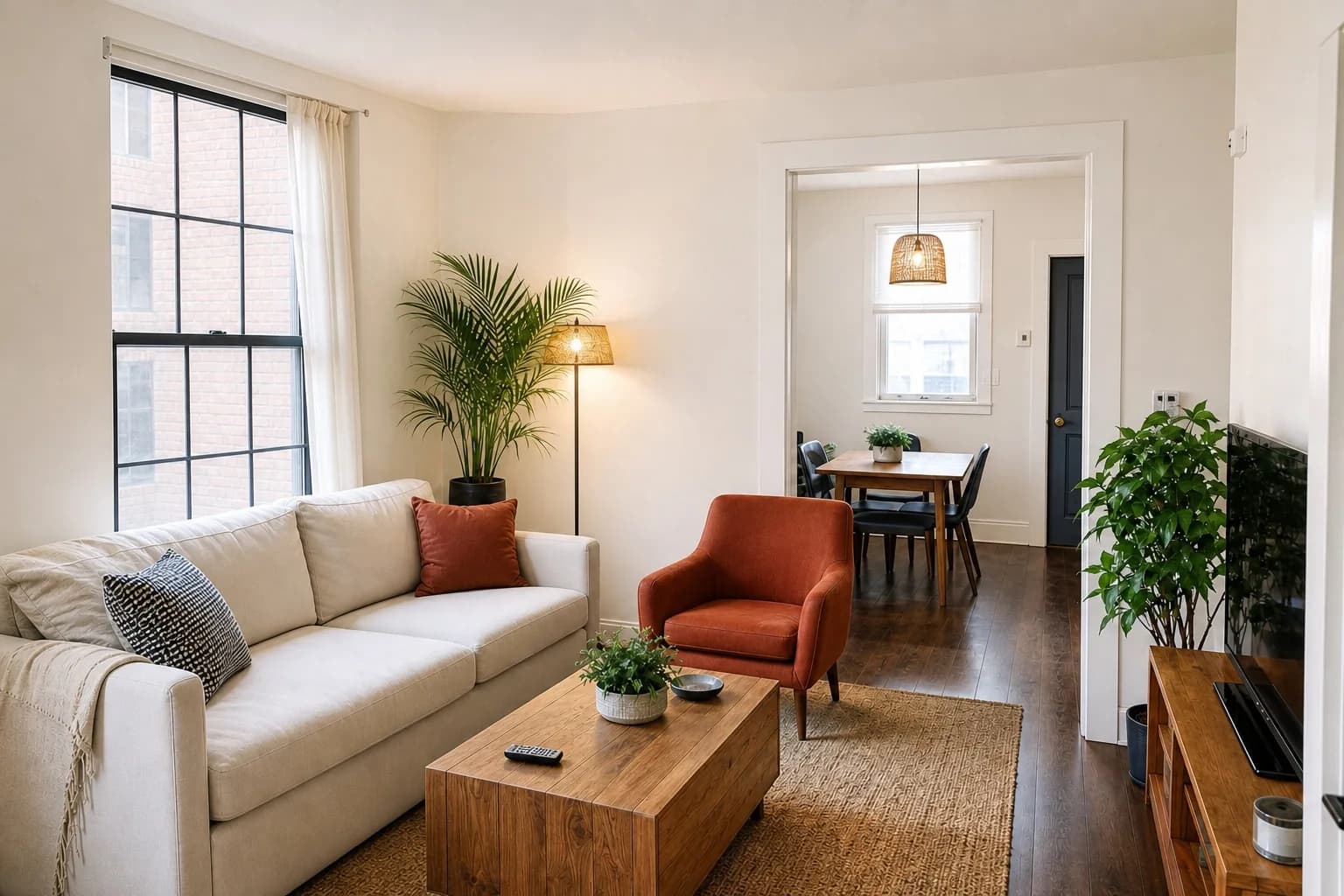
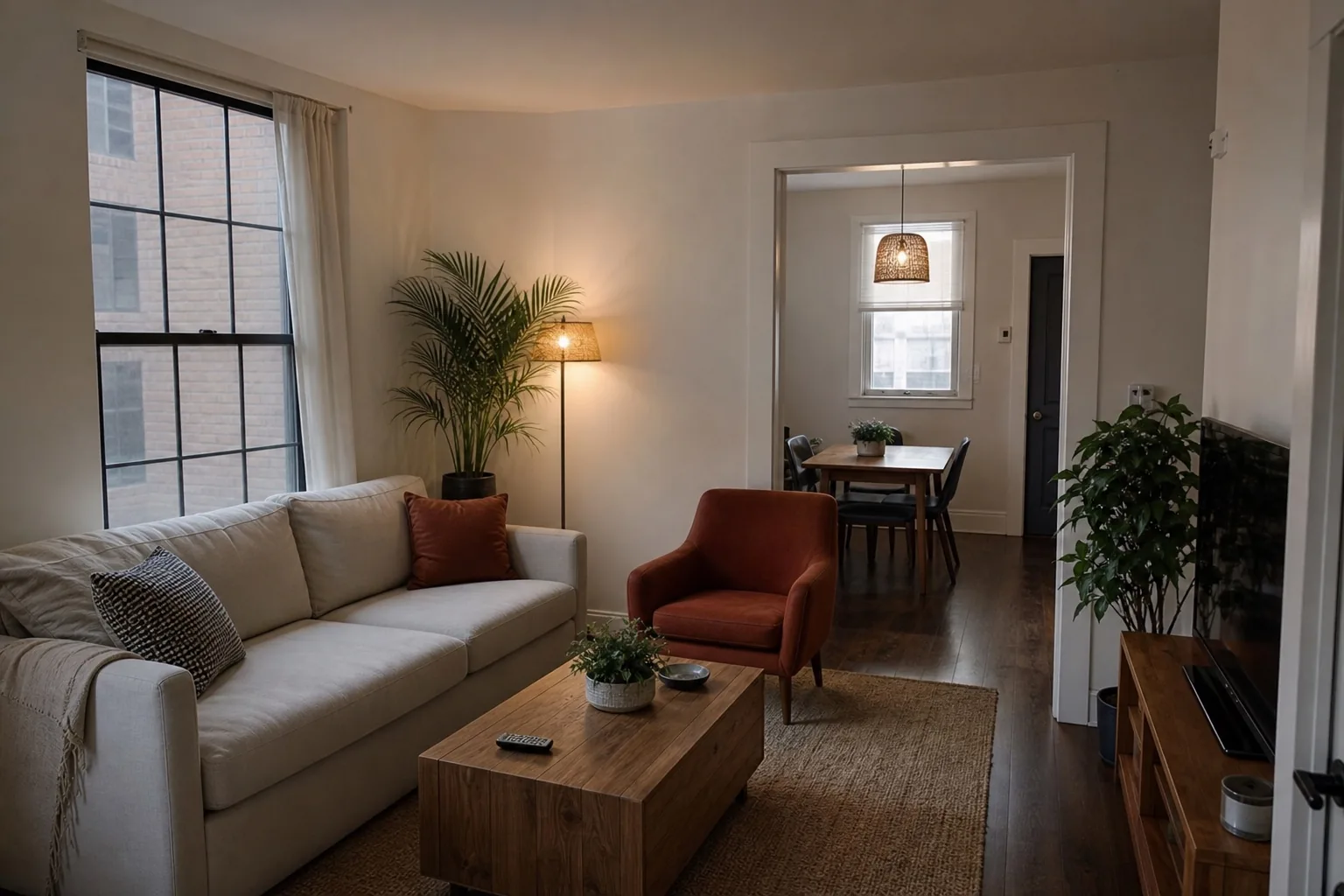
The problem
Cameras choose between the window and the room.
Phone cameras often expose for the brightest part of an interior. The view survives, but the room becomes muddy and small. Raising brightness globally only trades dark corners for clipped highlights.
Our method
ListPik treats light as a set of local decisions.
The enhancement pass balances dark and bright zones, corrects color cast, and adds restrained contrast. The result should resemble the room as a visitor experiences it, not a different room built by an editor.
What a file has to contain before it can be saved
Exposure correction is recovery, not generation. A shadow that still holds a faint signal can be lifted into a legible wall; a shadow that recorded pure black holds nothing to lift, and pushing it produces coloured noise rather than detail. The same applies at the other end: a highlight that clipped to pure white on all three colour channels has no information left, so a blown window stays blown no matter how the correction is described.
This is the most useful thing to understand before deciding whether a photo is worth processing or worth reshooting. Open the original and look at the darkest area you care about. If you can make out any structure at all, exposure work will help. If it is featureless black, the reshoot is cheaper than the disappointment.
Why global brightness makes rooms look worse
The instinct with a dark interior is to raise brightness until the room looks right. That lifts everything equally, so by the time the far corner is visible the window has gone white, the lampshade has lost its shape, and the whole image has the flat, milky quality that reads immediately as an over-edited listing photo.
Local correction treats the dark zone and the bright zone separately, which is closer to what the eye actually does when it moves around a room. The result should look like a well-exposed photograph rather than a rescued one, and the test is whether a viewer notices the light at all. Good exposure work is invisible.
- Check the darkest corner in the original before deciding to process
- Shoot with the largest light source behind or beside the camera
- Turn off ceiling lights where daylight is doing most of the work
- Avoid the phone's built-in HDR for rooms you intend to correct later
Where it fits
Use enhancement when the photograph is the problem.
The source is structurally useful
The camera position and important property details are already present, but the photographic finish is weak.
One correction carries the frame
The image needs a focused improvement in light, color, clarity, geometry, or presentation.
A reshoot is disproportionate
The listing deadline is close or one weak frame is holding back an otherwise useful set.
A three-part desk
Fast enough for the deadline. Deliberate enough for the listing.
- 01
Upload the original
Use the largest source file and choose an interior or exterior finishing direction.
- 02
Review the evidence
Inspect the result beside the source. The property should remain immediately recognizable.
- 03
Export with context
Download the approved image and follow the disclosure rules that apply to your listing.
Desk specification
What goes in, what comes back, and what to inspect.
Useful limits are part of a reliable workflow. Start from the best available source and approve the finished frame against visible property facts.
Before you publish
- Confirm shadow areas hold real detail rather than lifted colour noise.
- Check windows retain some tonal detail rather than clipping to flat white.
- Verify the room mood matches the time of day the photo was taken.
- Look for the milky, low-contrast signature of over-lifted shadows.
Specific answers
What to know before processing.
Can AI fix a very dark room photo?+
Usually, provided the original file still contains usable shadow detail. Completely black areas cannot be recovered accurately.
Will the windows turn white?+
The model is instructed to protect highlight detail while lifting the interior, reducing the blown-window effect common in phone photos.
Does this replace bracketed HDR photography?+
It is a fast alternative for everyday listing photos, but a carefully captured professional HDR set still offers more control in extreme lighting.
Start with one frame
Let the comparison make the case.
Packs or optional monthly. One credit per finished photo. Review before you publish.
Open the studio