For design studios
Polish project photos without flattening the material story.
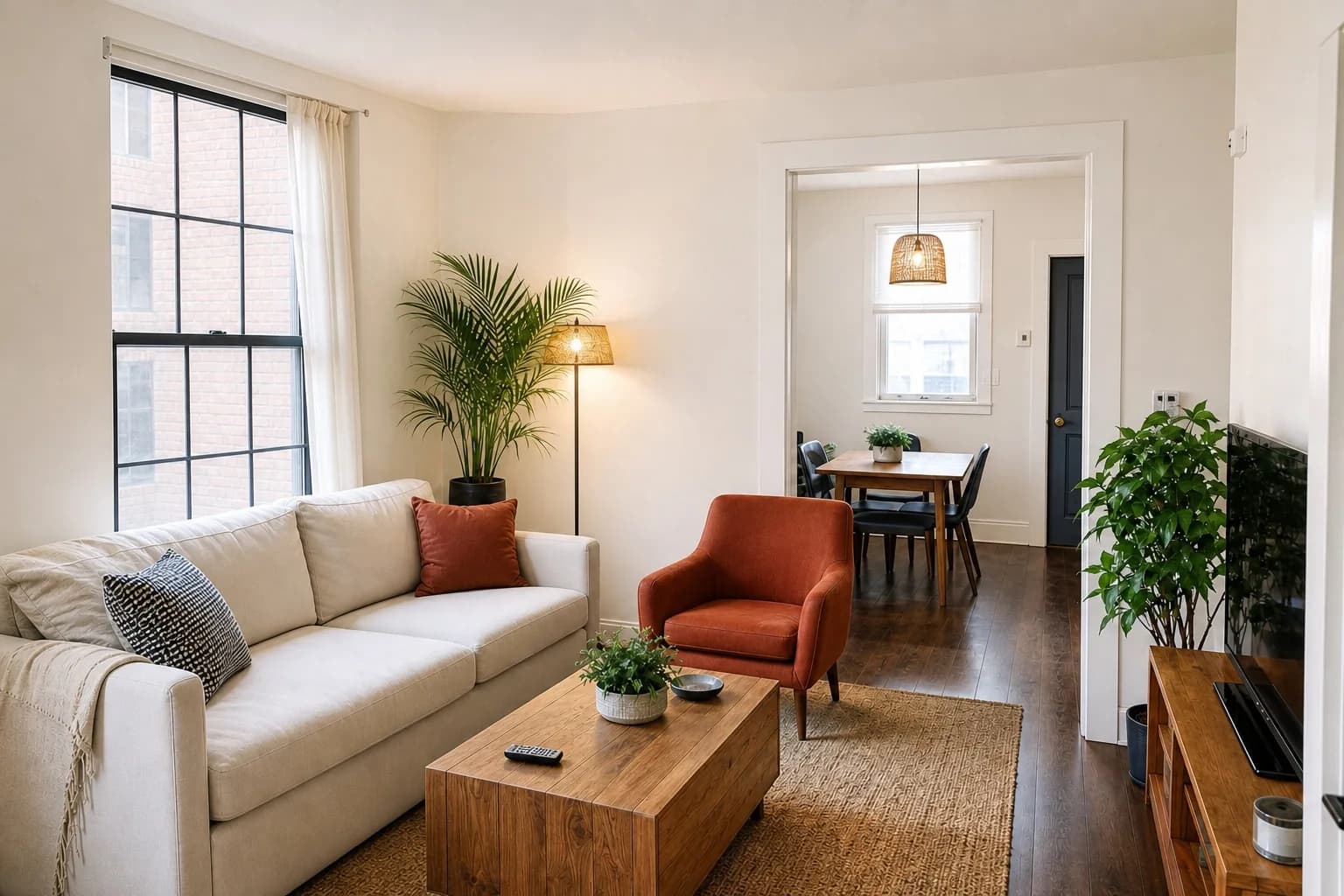
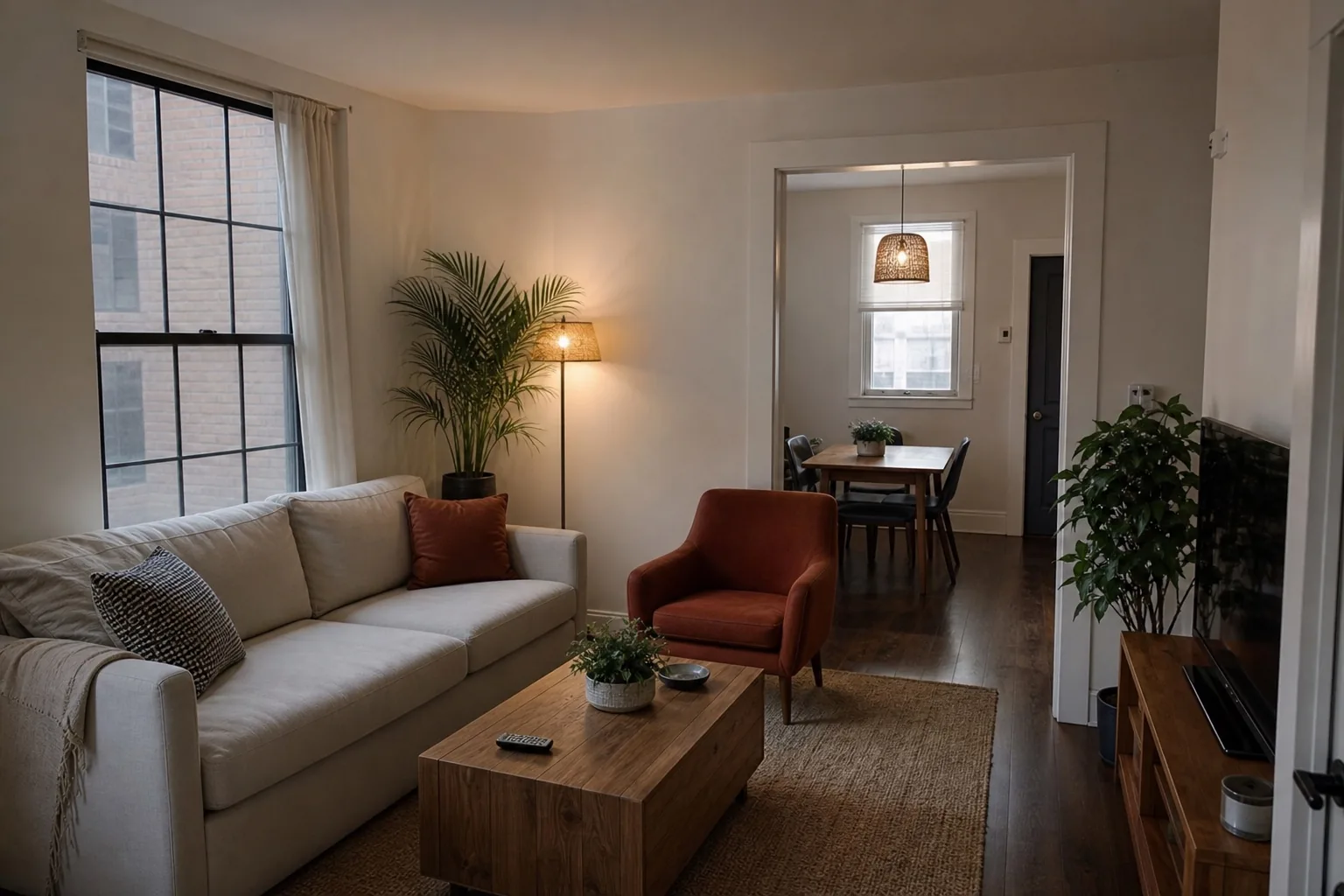
Correct light and perspective in progress or portfolio images while respecting color, texture, and the designer's intent.
A disciplined finishing pass for work worth documenting.
The problem
Beautiful materials are unforgiving in a rushed photo.
Mixed bulbs distort paint and timber, wide phone lenses bend joinery, and compressed images lose textile detail. Those errors can weaken a case study even when the project is excellent.
Our method
Protect the design decisions first.
Use the largest originals, review neutral colors and vertical lines, and avoid aggressive cleanup. ListPik can prepare fast web-ready selects before a full professional portfolio shoot.
Material fidelity is the whole portfolio
A design portfolio is an argument about material and colour decisions, which makes colour accuracy less of a technical nicety and more of the actual content. A sage cabinet that photographs mint, or a warm oak that photographs orange, misrepresents the specification, and prospective clients are looking at exactly those choices when they decide whether the studio's taste matches theirs.
This is why aggressive correction is riskier here than in listing photography. The safe setting is restrained: correct the cast, keep the deliberate warmth, and verify every significant material against the original at full size before anything is published.
Progress images and portfolio images are different jobs
Studios need two kinds of image. Progress and social content needs to be fast, frequent, and good enough — shot on a phone between site visits, finished quickly, posted while the project is current. Portfolio and press images need to be right, and that is still a photographer's job with proper lighting and time.
Treating the first as a cheaper version of the second is where studios get into trouble. Fast finishing on phone captures is genuinely useful for the first job and is not a substitute for the second.
- Shoot progress content on the largest file the phone will produce
- Preserve deliberate warmth rather than correcting to neutral
- Verify every specified material against the original at full size
- Keep a photographer for flagship and press imagery
Where it fits
Use enhancement when the photograph is the problem.
Photos arrive from mixed sources
Phones, owners, field teams, and older galleries all need one understandable finishing standard.
The deadline belongs to operations
A useful listing must launch or refresh before a full production can be organized.
Approval needs visible evidence
The person publishing can compare every output with the source before it leaves the desk.
A three-part desk
Fast enough for the deadline. Deliberate enough for the listing.
- 01
Upload the original
Use the largest source file and choose an interior or exterior finishing direction.
- 02
Review the evidence
Inspect the result beside the source. The property should remain immediately recognizable.
- 03
Export with context
Download the approved image and follow the disclosure rules that apply to your listing.
Desk specification
What goes in, what comes back, and what to inspect.
Useful limits are part of a reliable workflow. Start from the best available source and approve the finished frame against visible property facts.
Before you publish
- Compare every specified material and finish against the original at full size.
- Confirm deliberate lighting warmth has not been corrected away.
- Check textiles and patterned surfaces for smoothing from clarity work.
- Verify the styling and artwork in frame are unchanged.
Specific answers
What to know before processing.
Is this a replacement for an interiors photographer?+
No. It is useful for fast progress images, social content, and improving existing photos; a photographer remains best for flagship editorial work.
Will textures look artificial?+
The workflow uses restrained clarity. Review fine fabrics, stone, timber, and patterned surfaces at full size before publishing.
Can I keep warm ambient lighting?+
Yes. White balance should remove unwanted cast without erasing deliberate warmth from the space.
Start with one frame
Let the comparison make the case.
Packs or optional monthly. One credit per finished photo. Review before you publish.
Open the studio