Noise reduction
Clean low-light grain without turning rooms into plastic.
Reduce digital noise and compression artifacts while protecting useful texture in property photos.
Cleaner shadows and calmer surfaces without waxy detail loss.

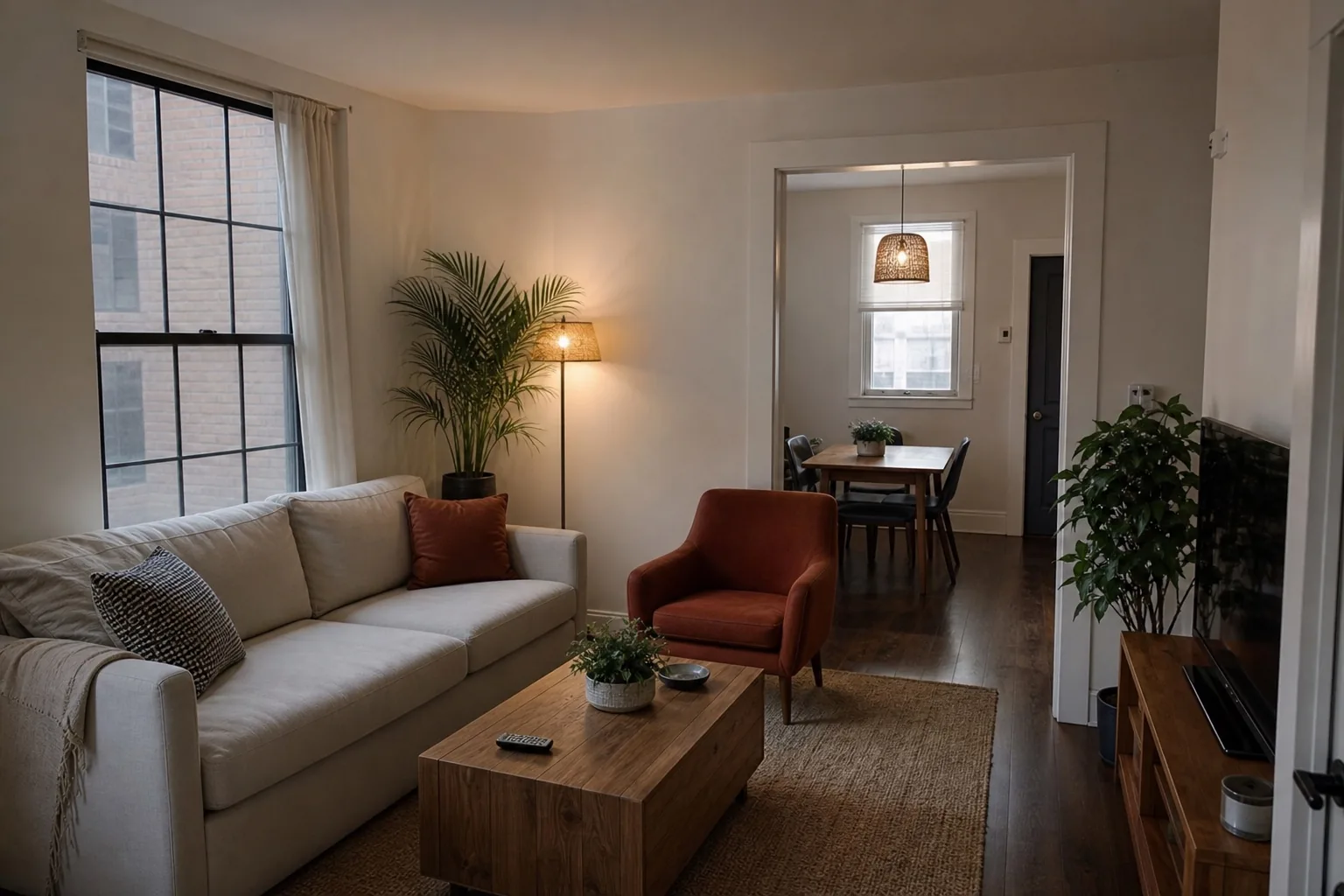
The problem
Brightening a dark phone photo also brightens the noise.
Small camera sensors create colored grain and blocky compression in dim rooms. Aggressive smoothing removes that noise but can also erase timber grain, tile joints, textiles, and fixture edges.
Our method
Reduce artifacts around the detail viewers need.
ListPik balances shadow recovery with measured cleanup, then restores enough edge clarity for architecture and materials to read naturally at listing size.
Noise and texture look the same to a filter
Sensor noise and fine material texture occupy the same scale in an image, which is why aggressive noise reduction produces the waxy, plastic surfaces that look worse than the grain they replaced. Grout lines, timber grain, carpet pile, brick, and fabric weave are exactly the detail that smoothing removes first, and they are also the detail that tells a viewer what a surface is made of.
For property photography this trade is usually worth resisting. A slightly grainy photograph in which the floor is identifiably oak is more useful than a clean one in which it could be laminate.
Noise is a symptom of the capture
Grain appears when a small sensor is pushed in low light. The fix that works is more light at the point of capture: opening the curtains, turning on the lights, and bracing the phone against something solid so it can use a longer exposure rather than a higher sensitivity.
Correction afterwards manages the consequences but cannot undo them. Where a room is consistently producing noisy files, the answer is a different time of day rather than a stronger filter.
- Shoot in the brightest available light for the room
- Brace the phone or use a surface rather than shooting handheld in the dark
- Avoid digital zoom, which amplifies noise significantly
- Reshoot rather than filter where grain is severe
Where it fits
Use enhancement when the photograph is the problem.
The source is structurally useful
The camera position and important property details are already present, but the photographic finish is weak.
One correction carries the frame
The image needs a focused improvement in light, color, clarity, geometry, or presentation.
A reshoot is disproportionate
The listing deadline is close or one weak frame is holding back an otherwise useful set.
A three-part desk
Fast enough for the deadline. Deliberate enough for the listing.
- 01
Upload the original
Use the largest source file and choose an interior or exterior finishing direction.
- 02
Review the evidence
Inspect the result beside the source. The property should remain immediately recognizable.
- 03
Export with context
Download the approved image and follow the disclosure rules that apply to your listing.
Desk specification
What goes in, what comes back, and what to inspect.
Useful limits are part of a reliable workflow. Start from the best available source and approve the finished frame against visible property facts.
Before you publish
- Confirm grout, grain, weave, and other fine textures survived the cleanup.
- Check flat walls for blotchy patches where noise reduction worked unevenly.
- Verify edges have not picked up a smeared or painted appearance.
- Compare at full size against the original before accepting the result.
Specific answers
What to know before processing.
Can it fix severe motion blur?+
No. Noise and mild softness can improve, but strong camera movement or missed focus usually requires a reshoot.
Why do walls look blotchy after brightening?+
Shadow data contains less signal and more sensor noise, which becomes visible when exposure is lifted.
What source file works best?+
Use the original camera file rather than a screenshot or image downloaded from a messaging app.
Start with one frame
Let the comparison make the case.
Packs or optional monthly. One credit per finished photo. Review before you publish.
Open the studio