Staging software
Virtual staging software that runs in the browser.
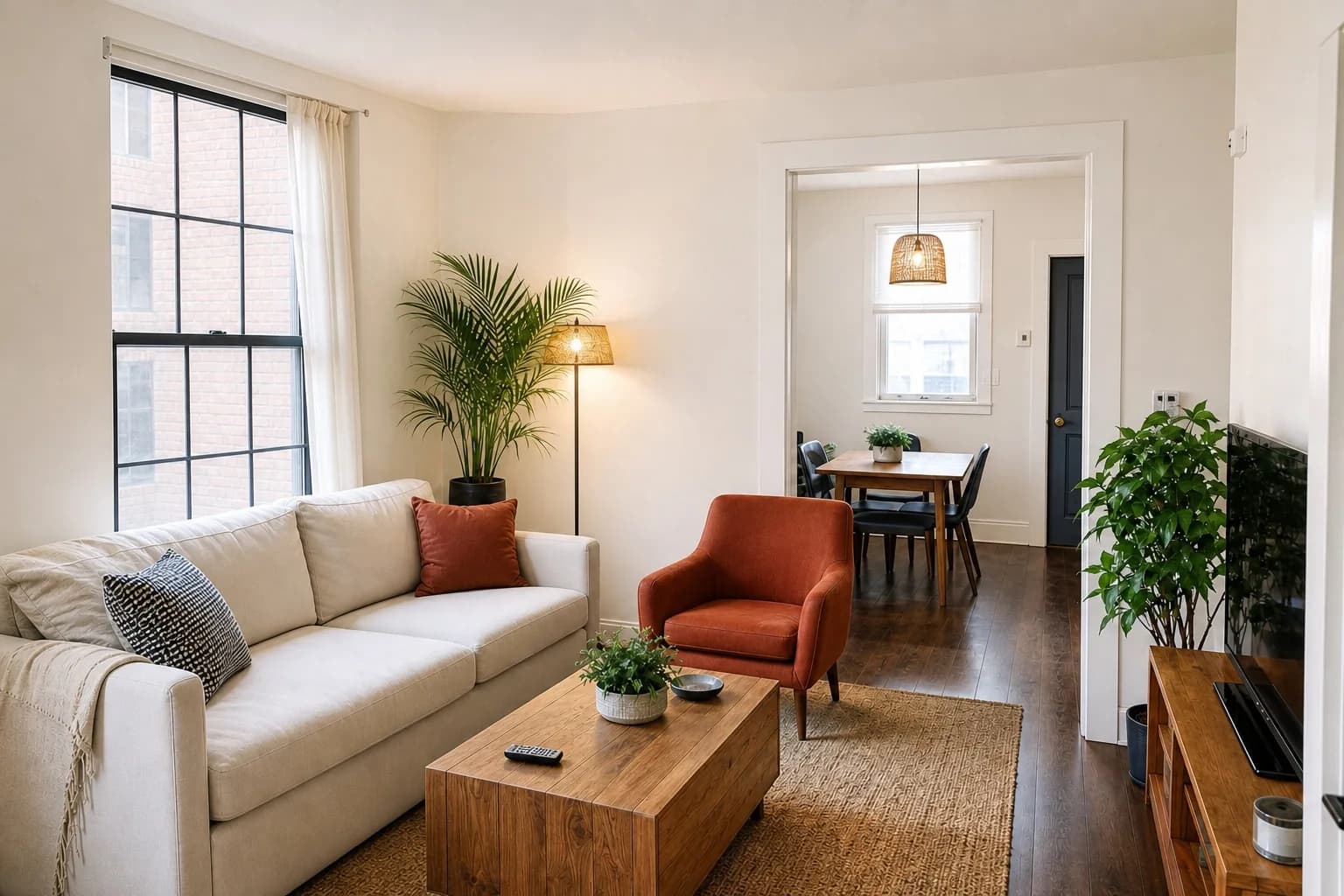
Furnish an empty room in about a minute, in six styles, for one credit per photo, with an optional disclosure label applied by default.
No desktop install, no seat licence, no monthly plan.
The problem
Most staging software is priced for a production desk.
Traditional staging tools assume a studio: a seat licence, a monthly minimum, or a per-order pipeline with a human in it. An agent with four vacant rooms and a listing going live tomorrow is buying the wrong shape of product.
Our method
Upload the empty room, choose a style, review against the original.
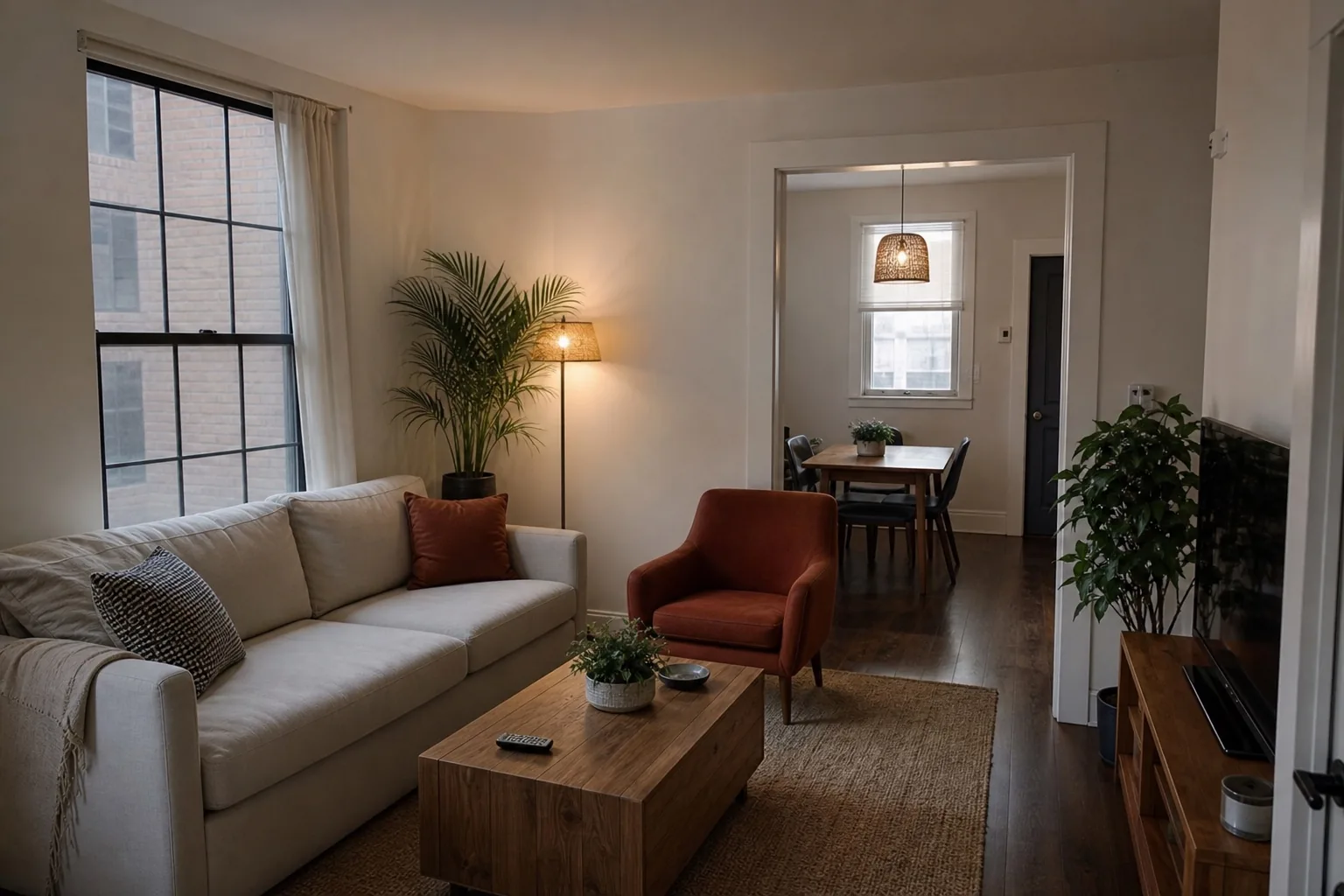
ListPik places furniture at believable scale on the existing floor, matching the light, shadows, and perspective already in the photograph. The original stays beside the result so you can confirm the room, its dimensions, and its condition are unchanged.
What separates staging software from an image generator
A general image model asked to furnish a room will happily produce a beautiful room that is not the room you uploaded: the window moves, the proportions shift, the flooring changes, and the result is architecturally plausible but factually useless for a listing. Staging software is distinguished by the constraint, not the capability — the requirement that everything except the furniture survives untouched.
That constraint is what makes the output defensible. If the walls, windows, joinery, and floor in the staged frame line up exactly with the original, a buyer standing in the room can reconcile the photograph with what they are looking at. If they do not, the photograph is a rendering with a listing attached to it.
Browser-based changes who can do it
Traditional staging tools assume a trained operator at a desktop with a seat licence. That model makes sense for a production studio processing volume, and very little sense for an agent with four vacant rooms and a listing going live tomorrow, or a host who stages twice a year.
Running in a browser removes the install, the licence, and the training, which changes staging from a service you order into a step you perform. The trade is less manual control over placement, which is why the review step beside the original matters more, not less.
- Upload the largest original file you have
- Choose one style and keep it consistent across the listing
- Compare the staged frame against the original before publishing
- Keep the unstaged original archived alongside the published image
Where it fits
Use enhancement when the photograph is the problem.
The room is empty or barely furnished
There is no sofa, bed, or table in frame to give a viewer a sense of scale or function.
The property itself is fine
Walls, floors, windows, and condition are all presentable. What is missing is furniture, not repair.
You will disclose the staging
The listing will identify the photos as virtually staged, and the label on each result will travel with the file.
A three-part desk
Fast enough for the deadline. Deliberate enough for the listing.
- 01
Upload the original
Use the largest source file and choose an interior or exterior finishing direction.
- 02
Review the evidence
Inspect the result beside the source. The property should remain immediately recognizable.
- 03
Export with context
Download the approved image and follow the disclosure rules that apply to your listing.
Desk specification
What goes in, what comes back, and what to inspect.
Useful limits are part of a reliable workflow. Start from the best available source and approve the finished frame against visible property facts.
Before you publish
- Line up walls, windows, and joinery against the original — they must match exactly.
- Confirm furniture sits flat on the existing floor at believable scale.
- Check shadows under furniture agree with the room's actual light direction.
- Verify the virtually-staged label is present or the listing text discloses staging.
Specific answers
What to know before processing.
Do I need to install anything?+
No. Staging runs in the browser and returns a standard full-resolution JPEG.
Can it stage a room that already has furniture?+
Staging is designed for empty or sparsely furnished rooms. It adds furnishings; it does not remove or replace furniture that is already there.
Is there a subscription?+
No. Staging uses the same credit balance as enhancement (one-time packs or optional monthly), at one credit per photo, and unused credits do not expire.
Start with one frame
Let the comparison make the case.
Packs or optional monthly. One credit per finished photo. Review before you publish.
Open the studio